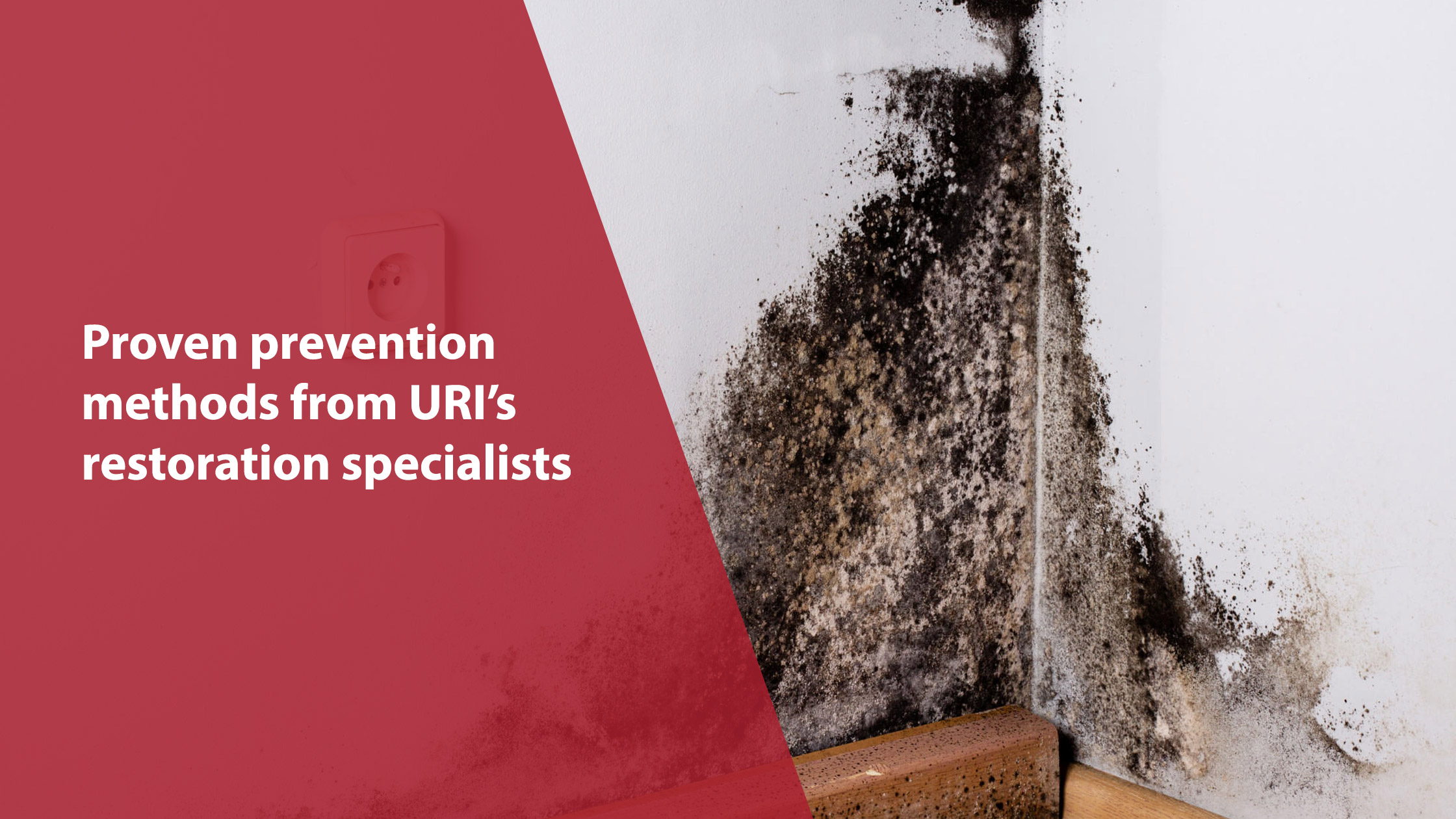
Mold can be a persistent and costly issue—even in well-maintained, high-end properties. Whether you manage a luxury residential unit or a commercial building, moisture control is essential to protecting your investment. As a trusted commercial restoration contractor, Unlimited Restoration, Inc. (URI) offers expert guidance to help prevent mold before it becomes a problem. Follow these practical, proactive strategies to reduce the risk of mold growth in your home or building.
1. Control Humidity Levels
Keeping indoor humidity under control is your first line of defense against mold.
Maintain Indoor Humidity: Use a hygrometer to monitor indoor humidity and keep it below 60%. For optimal protection, aim for 30–50%.
Use Dehumidifiers: Especially in high-moisture areas like basements, bathrooms, and laundry rooms.
Ventilation: Properly ventilate kitchens and bathrooms by running exhaust fans or cracking open windows during and after use.
2. Ensure Proper Ventilation
Airflow plays a crucial role in reducing moisture buildup.
Air Circulation: Use ceiling or portable fans to keep air moving, particularly in rooms that tend to be more humid.
Unblock Vents: Ensure furniture or drapes aren’t obstructing air vents, and regularly clean HVAC filters to promote good airflow.
3. Address Water Leaks Immediately
Unchecked leaks are a leading cause of mold damage.
Routine Inspections: Regularly inspect plumbing under sinks, around toilets, roofs, HVAC systems, and windows for signs of leaks.
Timely Repairs: Address any water damage immediately. Hire licensed contractors to ensure repairs are done thoroughly and correctly.
4. Use Mold-Resistant Products
Choosing the right products during maintenance or remodeling can reduce mold risk.
Mold-Resistant Materials: Opt for mold-resistant drywall, paints, and insulation—especially in moisture-prone areas.
Cleaning Solutions: Use mold-killing cleaning products in bathrooms, kitchens, and around HVAC vents to prevent mold from taking hold.
5. Maintain a Regular Cleaning Schedule
Clean surfaces consistently to discourage mold spores from settling and spreading.
High-Moisture Areas: Focus on routine cleaning of bathrooms, kitchens, laundry rooms, and basements using mold-inhibiting cleaners.
Check Hidden Spaces: Don’t forget spots like behind appliances, under sinks, and inside closets that can trap moisture.
6. Control Condensation
Managing condensation can significantly reduce your chances of mold buildup.
Windows & Pipes: Add insulation to pipes and windows to prevent condensation. Use double-paned or storm windows where possible.
Seal Entry Points: Make sure windows and doors are sealed properly to prevent rainwater or outside moisture from entering.
7. Monitor for Early Signs of Mold
Early detection can prevent costly remediation efforts later.
Visual & Smell Checks: Watch for discoloration on walls, ceilings, or flooring, and be alert to musty odors—common indicators of mold.
Professional Mold Inspections: Schedule regular inspections from a certified mold remediation company, especially after heavy rain or flooding.
Need Water Damage Cleanup or Mold Remediation?
Even with preventative measures, mold can still develop after flooding, leaks, or other water-related emergencies. At Unlimited Restoration, Inc. | URI, we specialize in disaster recovery, including water damage restoration and mold remediation for commercial and residential properties. Our certified teams are ready 24/7 to respond quickly and restore your property with minimal disruption.
Contact us today to request emergency service or learn more about our water damage restoration and mold remediation solutions.